
A Water Stain Is Evidence, Not a Diagnosis
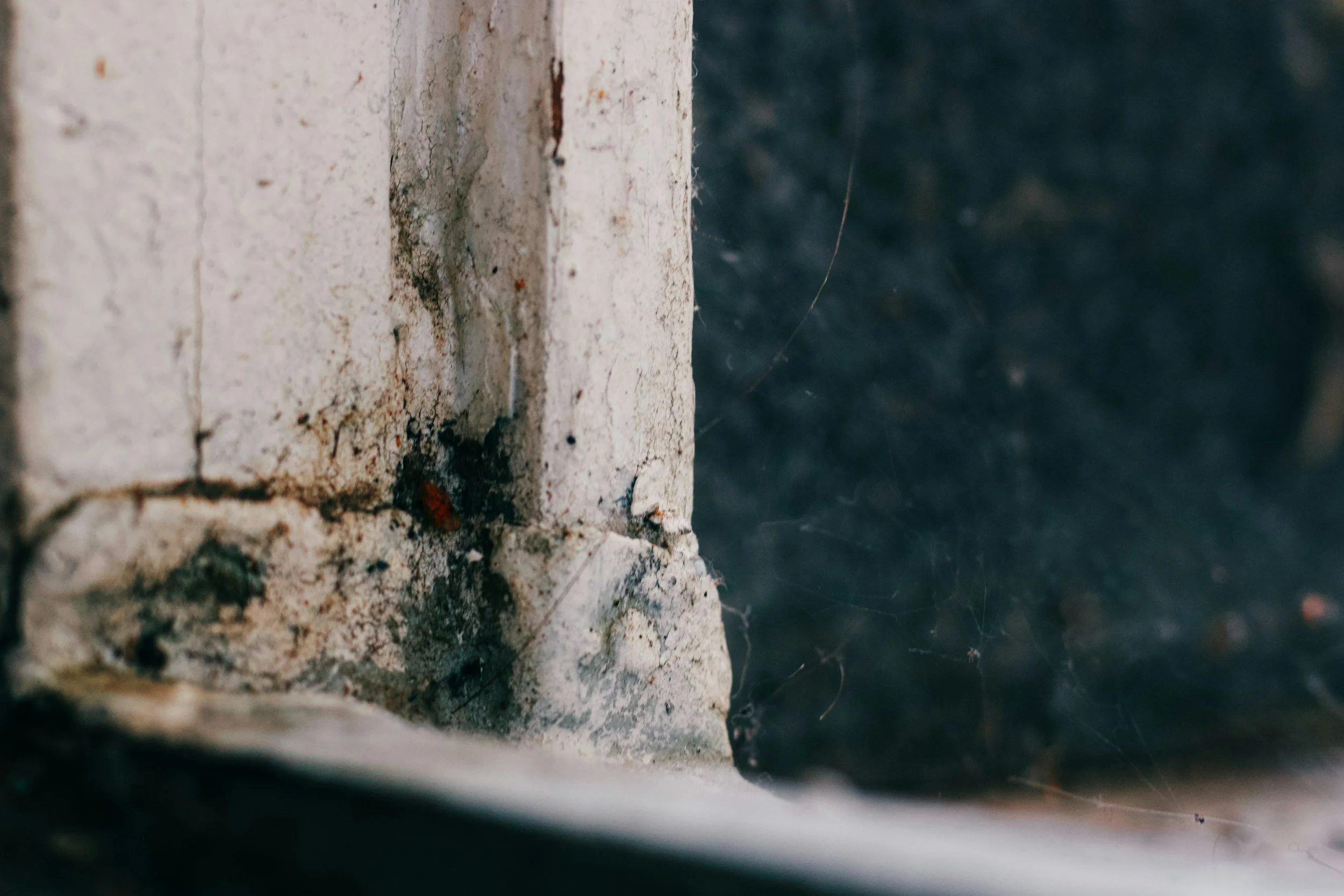
Technical reference point
Water-entry and moisture conditions require assessment by reference to the particular building, construction details, history, available records, inspection access and investigation scope. The applicable NCC edition, Australian Standards and other requirements must be identified for the work being considered.
Published: June 2026 · Reviewed: September 2026
Author: Mathew Dale, Building Consultant and Expert Witness
A water stain, swollen skirting, discoloured ceiling, deteriorated lining or elevated moisture reading may be important evidence of moisture exposure. It does not, by itself, identify the source, pathway, duration or cause of the water entry.
In a building-defect assessment, separating the observed symptom from the mechanism of water entry is essential. Similar visible outcomes can arise from very different sources.
The practical question
When water-related damage is identified, the immediate question is often: “Where is the leak?” In many cases, that question cannot be answered reliably from one observation alone.
A water stain below a tiled bathroom, for example, may be associated with a waterproofing system, plumbing leakage, a drainage arrangement, a penetration, a wall or floor junction, a shower-screen or hob detail, condensation, an overflow event or another source. The visible stain records an effect. It does not necessarily establish where water entered, how it travelled or why the condition developed.
The same principle applies to moisture symptoms associated with roofs, balconies, external walls, windows, flashings, external penetrations, stormwater systems, internal plumbing and condensation.
Why it matters
A reliable diagnosis assists in determining the appropriate next step. An incorrect diagnosis can result in unnecessary removal of finishes, ineffective rectification, continued moisture exposure and avoidable dispute cost.
A sound assessment may require consideration of:
The observed condition: What is visible or measurable, where is it located, and what is its apparent extent?
The history: When did the condition first occur, and is it associated with rainfall, shower use, plumbing use, cleaning, overflows, occupancy or environmental conditions?
The potential pathways: What reasonably available sources of water require consideration before a preferred explanation is reached?
The available evidence: What do plans, specifications, construction-stage photographs, waterproofing records, plumbing records, maintenance records and prior repair records show?
The building details: What is known about the wet-area configuration, drainage, falls, junctions, penetrations, fixtures, roof, window or door system, façade or other potentially relevant building elements?
The investigation required: Is further access, controlled testing—such as a flood test or dye test—plumbing investigation, moisture assessment, thermal imaging, monitoring, targeted openings or specialist input required?
MPDBC technical point
A water stain records an observed effect. It does not, by itself, establish where water entered, how it travelled, how long the condition has existed, or which building element is responsible.
In practice, the source, pathway, duration and extent of a moisture condition may each be separate questions. A visible symptom may be established without its cause being established. A likely source may be identified without the full extent of concealed impact being known. A technical conclusion may be available without determining legal responsibility, contractual breach, statutory entitlement or remedy.
What may be examined
The appropriate scope will vary with the issue. Matters commonly considered may include:
The location, size, pattern and condition of visible staining, deterioration, mould or moisture-related damage.
Site observations, measurements, photographs and recording the location, pattern and extent of each observed condition.
The reported history of the condition, including timing, recurrence and relationship to weather or building use.
Wet-area layout, drainage, falls, floor wastes, thresholds, hobs, fixtures, screens, junctions and penetrations.
Plumbing and drainage components, where accessible and within the scope of investigation.
Roof, balcony, external wall, window, flashing and external penetration details where relevant.
Moisture assessment methods and their limitations.
Building plans, specifications, waterproofing records, certificates, construction-stage photographs, maintenance records and prior repair records.
Whether previous repairs have altered the original condition or reduced the evidence available.
The need for controlled water testing, plumbing investigation by an appropriately qualified practitioner, targeted openings or another justified investigation method.
An evidence-led sequence
A practical investigation commonly progresses through four questions:
What is observed? Record the condition, its location, apparent extent and visible impacts.
When does it occur? Establish any relationship with rainfall, use of fixtures, drainage, cleaning, overflow events, occupancy or environmental conditions.
What pathways are plausible? Consider reasonably available sources before selecting a preferred explanation.
What evidence may distinguish between those pathways? Identify whether records, access, testing, monitoring or further investigation are required.
This sequence reduces the risk of treating a plausible explanation as an established cause.
Examples in practice
A ceiling stain below a bathroom: The stain may be associated with water from the wet area above, but further assessment may be required to distinguish waterproofing, plumbing, drainage, penetration, junction, shower-screen, overflow or another pathway. Water may also travel away from its entry location before becoming visible.
Damage near an external wall: Deteriorated paint, swollen skirting or mould may be associated with external water entry, but may also require consideration of plumbing, roof or flashing details, condensation, subfloor moisture, drainage or ventilation. The visible condition does not identify its own cause.
Intermittent leakage: A reported leak that occurs only during wind-driven rain, following shower use or after a particular appliance operates may assist in narrowing the potential pathways. A dry inspection, however, does not necessarily establish that a reported event did not occur.
Common mistakes in assessing water-related conditions
Treating every wet-area stain as proof of a failed waterproofing membrane.
Treating a moisture-meter reading as proof of the source of moisture.
Treating a thermal image as proof of moisture without considering other temperature-related influences and appropriate corroboration.
Testing one component and assuming the result excludes every other potential pathway.
Ignoring plumbing, drainage, overflow, roof, external-wall or condensation possibilities.
Overlooking that water can travel away from its entry location before becoming visible.
Starting broad demolition before recording the original condition and defining the purpose of the investigation.
Applying current wet-area requirements without first confirming what applied to the work under consideration.
What cannot be assumed
A visible moisture-related condition does not, without further evidence, establish:
The source of water.
The pathway water has taken through the building.
The duration or frequency of water entry.
The condition of a concealed waterproofing system, plumbing component or building element.
Whether water entry is active at the time of inspection.
Whether a previous repair was effective or ineffective.
Whether observed damage is attributable to one source only.
The full extent of concealed deterioration.
Legal responsibility, contractual breach, statutory entitlement or a rectification outcome.
In some matters, the available evidence may support only a limited conclusion. Identifying that limitation is an important part of a reliable assessment.
Important information
This article provides general technical information based on Mathew Dale’s professional understanding of the applicable regulatory and technical framework at the date of publication. It is not legal advice, certification advice, a building report or an expert opinion for a particular property, project, party or dispute.
The application of legislation, the NCC, Australian Standards and other requirements depends on matters including the applicable edition, jurisdictional variations, building classification, approval and construction dates, contract documents, available evidence, site conditions and the actual work performed. Readers should obtain appropriately scoped professional and legal advice for their particular circumstances.
